
Cape Town metro · Standard working hoursinfo@katawaprojects.co.za
Katawa Projects
KATAWA PROJECTS / CAPE TOWN GUIDES

Water Leak Near Electrical Wiring: Safe First Steps for Cape Town Homes

Water from a burst pipe, an overflowing geyser or rain ingress can reach lights, sockets and wiring. The immediate priority is people’s safety, not finding the fastest cosmetic repair. A leaking pipe and a tripping circuit may require separate assessments before the room can be used normally again.

✓ Cape Town metro coverage✓ Standard working hours✓ Practical service guidance
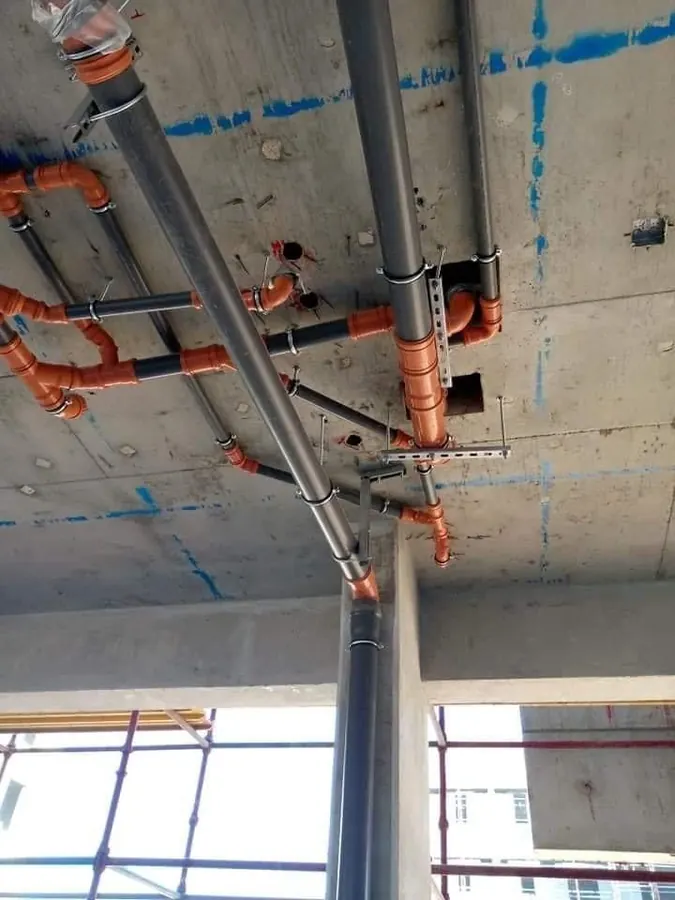
Illustrative image of ceiling pipework, not proof of a Katawa project
Helpful property guidance
Request a service visit

Tell us about your property

Share the suburb, symptoms and access information. We review enquiries during standard working hours and will discuss the appropriate service scope.

By submitting, you agree to be contacted regarding this enquiry. No payment is collected.
What to know before booking

Water leak near electrical wiring: practical decisions

01

Keep people away from wet electrical equipment

A dripping ceiling light, water inside a socket, or moisture at a distribution board can create shock and fire risks. Keep people clear of the affected area. Do not touch wet switches, plugs, electrical panels or appliances. If isolation can be performed from a genuinely dry, safe location without entering a wet area, follow appropriate emergency arrangements; if there is any doubt, avoid the equipment and call a qualified electrician or the relevant emergency service.

Do not keep resetting a circuit breaker that trips after water exposure. Tripping is an indication that a protective device is responding to a fault or an abnormal condition, but its behaviour cannot identify the damaged component on its own. Never bypass protection to restore electricity.

02

Stop the water only where it is safe to do so

If the property’s water isolating valve is accessible without moving through standing water or approaching live equipment, stopping the supply may reduce further damage. Where the leak is from a roof, stormwater pipe or external rain ingress, closing the main valve will not solve the source. If water is visibly coming from a shared riser or municipal infrastructure, involve the responsible building manager or utility service.

Avoid opening ceiling boards or cutting into walls before electrical hazards have been assessed. Saturated building materials can release suddenly, conceal damaged wiring and obscure the source of the water. Photographs taken from a safe distance can help the plumber and electrician understand the situation.

03

The plumbing repair and electrical assessment are separate jobs

A plumber needs to establish whether the escape comes from a pressurised supply line, a waste fitting, a geyser connection or another route. The correct repair depends on materials, access and the cause, not simply the visible stain. Once the source is addressed, wet cavities may still need an appropriate drying period and assessment of affected materials.

An electrician must evaluate any potentially wetted electrical installation before it is returned to service. Some accessories or components may require replacement even when they appear dry at the surface. The decision to re-energise is for a competent professional after appropriate inspection and testing—not for a homeowner relying on the breaker to stay on.

04

Plan access and making-good work before closing the ceiling

Concealed water damage can involve more than the first wet patch. Agree who will open access, protect belongings, photograph the fault, remove damaged materials and restore finishes. Where a light fitting or cable route crosses the affected area, coordinate inspection while access remains available. Closing a cavity too early can leave moisture or an uninspected defect concealed behind a newly painted surface.

For complexes or rental properties, inform the responsible owner, landlord or managing agent promptly and retain a dated record of observations, contractor findings and remedial work. Insurance procedures may require particular evidence, but any claim or coverage decision belongs to the insurer.

05

What to include in your service request

Tell us whether water is still flowing, where it appears, whether power has tripped, which room is affected and whether anyone has approached the equipment. Include your Cape Town suburb, safe photographs and any practical access restrictions. Do not enter a hazardous area just to provide a clearer picture.

We can discuss coordinating the appropriate plumbing and electrical service enquiries. Emergency response times depend on staff availability and the actual nature of the situation; no 24-hour attendance is promised on this page.

Official reference

Check requirements before authorising work

Local rules and responsibilities can change. For the applicable requirements, see the City of Cape Town's published guidance. The information here is general and does not replace inspection of the property.

Common questions

Answers before you arrange a visit

Can I use the light once the leak has stopped?

Not until a qualified electrician has assessed affected electrical equipment and confirmed that it is safe. Dry-looking surfaces are not adequate proof.

Should a plumber or electrician come first?

Where water and energized equipment may interact, electrical safety and safe isolation take priority. The trades may need to coordinate access and subsequent repair.

Will repainting the ceiling solve the problem?

Paint cannot repair a pipe leak, hidden damp material or affected wiring. The cause, electrical safety and drying or material damage must be addressed first.

☎WhatsApp