
Cape Town metro · Standard working hoursinfo@katawaprojects.co.za
Katawa Projects
KATAWA PROJECTS / CAPE TOWN

Commercial Solar Installation Cape Town

Businesses considering solar need to understand daytime consumption, usable roof space and compliance obligations before committing to equipment.

✓ Cape Town metro coverage✓ Service visits by arrangement✓ Clear quotation scope
Solar power system equipment
Solar & Backup Power in Cape Town
Request a service visit

Request commercial solar installation

Tell us what is happening, where the property is located and how we can arrange access. We will discuss the scope and availability during standard working hours.

By submitting, you agree to be contacted regarding this enquiry. No payment is collected.
Solar & Backup Power / Cape Town

Commercial Solar Installation: practical assessment and clear next steps

Commercial rooftop solar and battery planning enquiries for Cape Town offices, shops and business premises.

01

Business load profiles determine system choices

A retail store operating late into the evening has a different energy-use pattern from a workshop whose machines run mainly during daylight. We start by discussing bills, interval data where available, operating hours and which loads the business wants to support. A PV proposal should be based on that demand rather than roof area alone.

Where peak consumption occurs outside solar production hours, batteries or other measures may affect the business case. Owners should distinguish savings on purchased electricity from the ability to keep critical circuits operating during an outage. Those are related but different design objectives.

02

Roof rights, structure and electrical integration

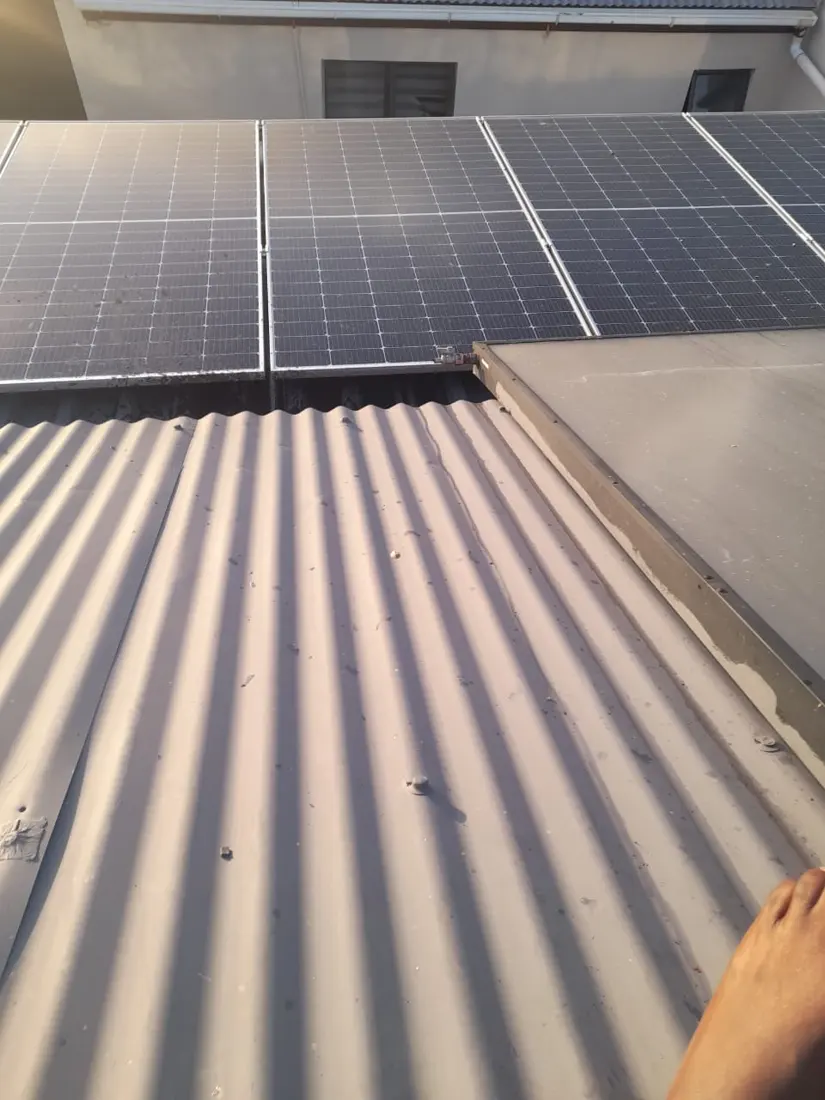
Commercial rooftops can include skylights, ventilation plant, access walkways and areas reserved for maintenance. PV placement must respect those features as well as shading, mounting method, roof condition and suitable structural assessment. Lease agreements or landlord permission may also influence who can authorise an installation.

Electrical integration requires a review of distribution equipment, protection, earthing and the proposed connection arrangement. The project scope should identify what is supplied, who undertakes any structural or professional design checks and how testing and handover will be documented.

03

Cape Town permission is a project milestone

Within the City of Cape Town electricity supply area, applicable new solar PV and battery installations require authorisation through the City’s embedded-generation process. The City requires approved inverters and professional sign-off before switching on new systems. The correct process depends on the actual network provider and site design.

We discuss the documentation and approval dependencies at the planning stage; the existence of a quotation or installed panels does not mean energisation has been authorised. The property owner should understand who is responsible for applications, submission information and final documentation.

04

Cost and downtime should be scoped openly

Commercial proposals are affected by available roof space, structural access, plant shutdown windows, equipment size, cabling routes and metering arrangements. If a building has multiple tenants, common loads and tenant consumption should be identified so expected benefits are not overstated.

Provide the premises address, supply information, recent consumption records and target outcomes. We can then discuss an assessment, potential design requirements and whether a staged installation is appropriate. No guaranteed savings figure should be assumed without a valid model.

Common enquiries

Common situations and the appropriate starting point

The nature of the symptoms and the property arrangement affect what should be checked first. We use that information when discussing your enquiry.

Office consumes most electricity in daylight

A correctly modelled daytime PV profile may suit the usage, but roof capacity and SSEG permission still govern the design.

Retail site runs mainly at night

Battery sizing and charging strategy are central to the business case; panel capacity alone cannot guarantee useful backup.

Tenant plans panels on landlord’s roof

The lease, roof rights, access and authorisation responsibility should be confirmed before procurement.

Planning the job

Plan the handover as carefully as the installation

Business owners should know who will hold the final drawings, inverter specifications, warranty documents and any necessary City approval records. Facilities staff also need to understand what the monitoring system displays, who may access electrical equipment and how to report an alarm safely. A roof full of panels without usable documentation is difficult to maintain.

Where a company plans to expand, the design discussion can include potential future loads, existing roof obligations and expansion limitations. Avoid treating an estimated annual saving as a guaranteed commercial outcome. Actual usage, tariffs, degradation, maintenance and approved operating arrangements all influence returns.

Clear job scope

What shapes the assessment and quotation?

The work is defined around the installation, access and decisions specific to commercial solar installation.

We explain the proposed work and any site-specific cost factors before you decide to proceed. The final quotation depends on what is needed at your property.

For applicable City-supplied sites, consult the City of Cape Town’s solar PV and battery authorisation guidance. New installations must satisfy relevant approval and professional sign-off requirements before operation.

Frequently asked questions

Commercial Solar Installation: FAQs

Can my business use solar while the grid is down?

Only if the system is designed and configured for appropriate backup operation. Grid-connected PV alone does not imply outage backup.

Do we need landlord approval for rooftop panels?

A tenant may need the owner’s authorisation and other permissions under the lease before installation.

Can you guarantee a specific percentage saving?

Not without measured consumption, a proposed design and appropriate assumptions about tariffs and usage.

☎WhatsApp