Breaker trips immediately
A circuit that will not remain energised may have a persistent fault. Do not keep resetting it or bypass a protective device.

Diagnostic electrical work for tripping circuits, unreliable power and damaged electrical components.
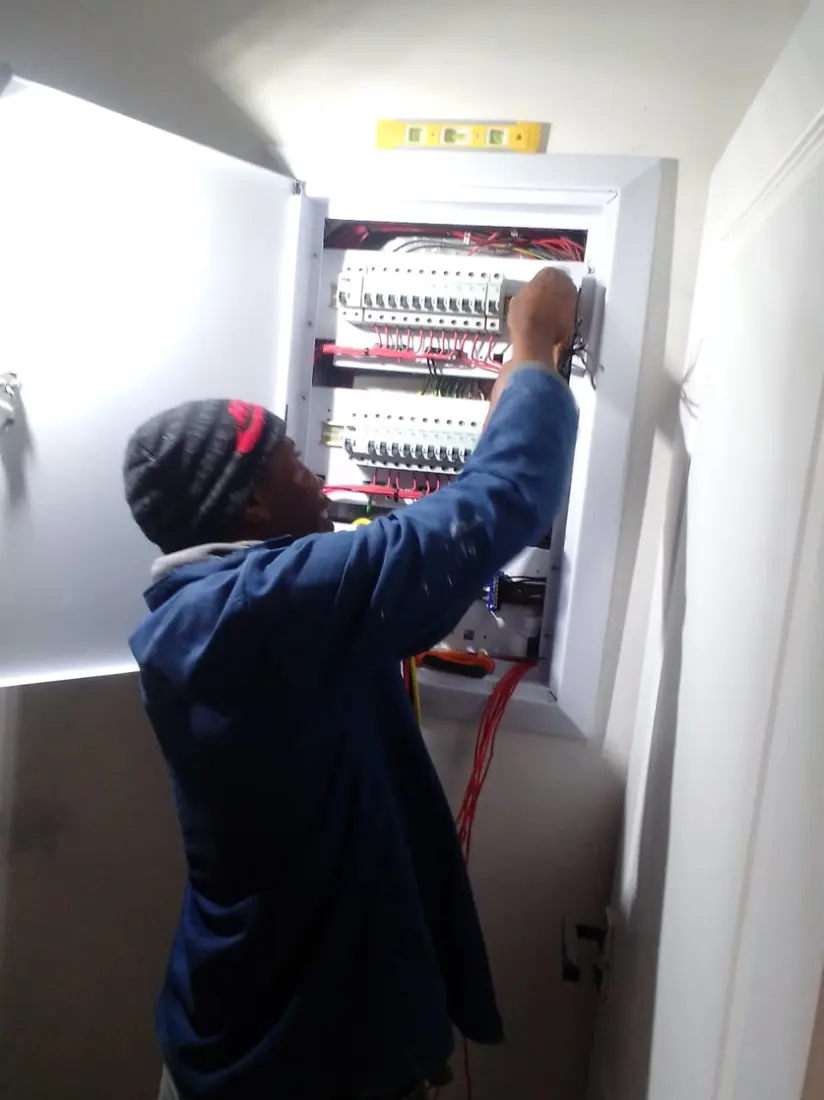
Send your suburb and a short description of the problem. Note which breaker or circuit is affected only from the normal external indications of the board, and list appliances that were in use.
A breaker trip may result from overload, short circuit, earth leakage or equipment failure. Intermittent faults often need a clear account of when the problem occurs: at appliance start-up, during rain, after heating or when several loads run together.
We gather the symptoms, identify affected circuits and carry out appropriate inspection and testing by qualified personnel. The findings determine whether the fault lies in a connected appliance, wiring, protective device or termination and what corrective work is required.
A tripping breaker is a warning, not a nuisance to bypass. Avoid touching exposed conductors, handling wet outlets or repeatedly resetting a device that trips again immediately. Where there is burning smell, heat or arcing, isolate power if safe and seek urgent qualified advice.
Intermittent trips can arise from faulty appliances, moisture, damaged insulation, overloaded circuits or protective equipment responding to an unsafe condition. The pattern matters: does the problem happen when a particular appliance starts, only in wet weather or immediately when a circuit is energised? We use those observations to guide qualified testing.
Customers should never repeatedly force a breaker on, bypass an earth-leakage device or open exposed electrical accessories. A circuit that has been isolated for safety should remain isolated until assessed. Inspection may include identifying affected circuits, testing relevant components and deciding whether a repair or replacement is warranted.
After diagnosis, we explain the cause found, proposed remedial work and any follow-up verification. If the fault appears connected with pumps, geysers or inverters, coordination between electrical and equipment-side inspection can avoid treating only the symptom.
A circuit that will not remain energised may have a persistent fault. Do not keep resetting it or bypass a protective device.
The scope may involve a single circuit, outlet or appliance rather than the whole property. The exact rooms and affected equipment help define what needs testing.
Flickering lights or loss of supply under load can involve connections, circuit capacity or upstream issues. A description of when it happens is useful; inspecting live parts is not a homeowner task.
Note which breaker or circuit is affected only from the normal external indications of the board, and list appliances that were in use. Do not remove the DB cover or probe wiring.
Timed loads, moisture-related faults and particular appliances are among the possibilities; testing is essential.
Yes, identifying the affected circuit and safe testing form part of a fault assessment.
The work and any required components are discussed after the initial assessment.