Cape Town metro · Standard working hoursinfo@katawaprojects.co.za
Katawa Projects
KATAWA PROJECTS / CAPE TOWN

Solar PV Post-Storm Condition Checks Cape Town

After strong wind, wind-driven rain or flying debris, a solar system may need a safety assessment before normal operation resumes. We focus on visible damage, alerts and the safest next action.

✓ Cape Town metropolitan coverage✓ Registered plumbing and electrical capacity✓ Work by arrangement
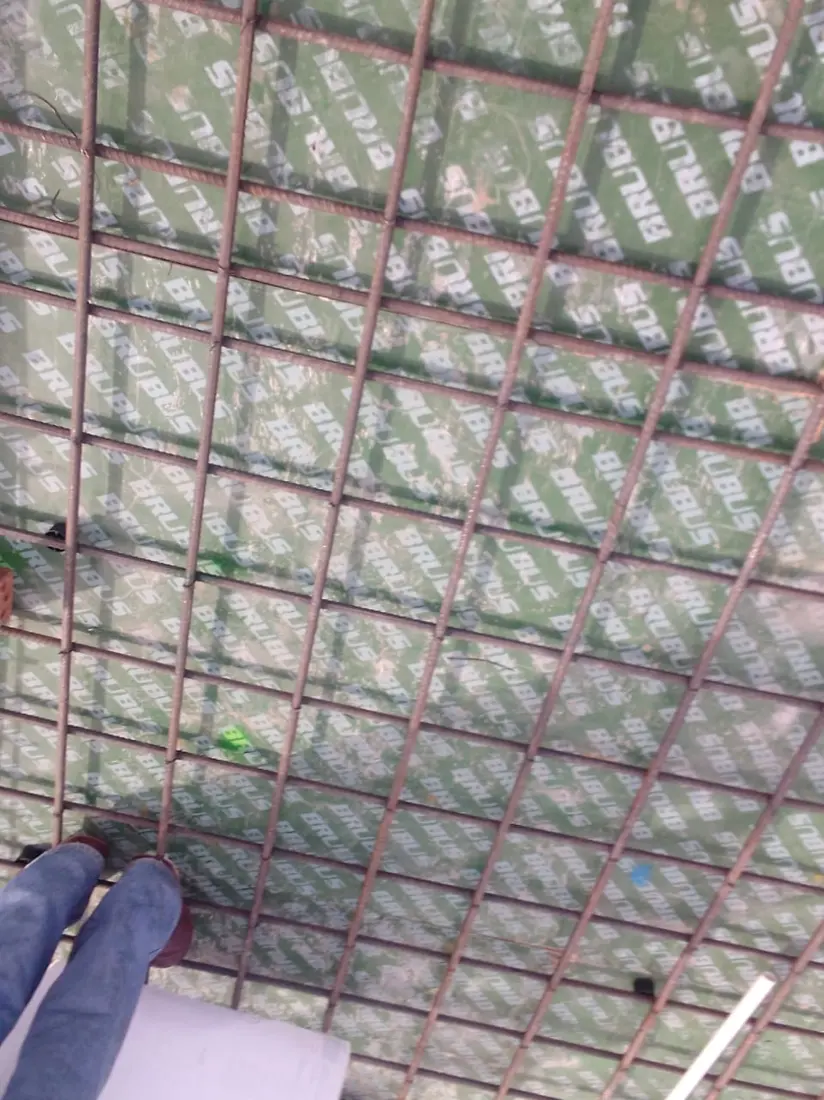
Illustration of solar pv post-storm condition checks service
Solar & Backup Power services in Cape Town
Request a service visit

Tell us about your solar pv post-storm condition checks enquiry

Include the suburb, what has changed, existing equipment where relevant and any access arrangements. We will discuss the work during standard business hours.

By submitting, you agree to be contacted regarding this enquiry. No payment is collected.
Solar & Backup Power / Cape Town

Solar PV Post-Storm Condition Checks: how we approach the work

01

Treat storm warnings as electrical and roof-safety matters

A displaced panel, rattling mounting rail or damaged cable is not a cosmetic issue. People should not climb onto wet roofs or attempt to reconnect exposed PV plugs. Panels can produce dangerous DC voltage whenever illuminated, even with the inverter turned off. We ask what occurred, whether the roof was affected and whether the inverter is reporting new alarms. Photographs taken safely from ground level can help plan the assessment without putting occupants at risk.

02

Separate array damage from weather-related building leaks

Water stains after a storm do not necessarily prove the solar mounts caused the leak. Roof coverings, flashing, penetrations and existing waterproofing may all contribute. Where roof access can be arranged safely, the assessment should distinguish the mechanical condition of mounts and modules from the roof-sealing work needed by the relevant contractor. We do not promise structural engineering, waterproofing warranties or specialist infrared testing unless those services are included in the approved scope.

03

Review electrical protection and monitoring evidence

Storm damage can involve cables, isolators, surge protective devices and inverter inputs. A competent solar electrician can review alarms, visible damage and appropriate electrical test results, with equipment isolated under an authorised procedure. A system that still produces energy is not proof that every cable or mount is safe. Any proposed component substitution must respect original manufacturer ratings and the authorised electrical design, including the PV strings and protection arrangement.

04

Record changes and check authorisation implications

If the repair is like-for-like, documentation may be straightforward; if panels, inverter capacity or configuration change, the approved system information may need review. Cape Town requires applicable PV and battery systems to be authorised before activation, and modification requirements should be checked with the supply authority. We explain what can be inspected, which specialists are needed for roof repairs and what evidence should be retained for insurers or future maintenance.

Situations worth discussing

What the symptoms may mean

A panel looks loose after a strong southeaster

Keep clear of the area beneath and arrange a safe mechanical and electrical review.

The inverter shows an insulation fault after rain

Avoid repeated resets and have the array and cabling inspected.

A new ceiling leak appears near a roof mounting line

Coordinate roof and PV inspections to identify the actual entry point.

Planning & quotation

What affects the work and the quotation?

We agree on the inspection or installation scope before substantial changes proceed. Site conditions and product compatibility matter more than an unverified fixed price.

After heavy wind or rain, prioritise safety

Visible panel movement, broken glass, damaged cable runs, unexpected faults or new roof leaks are reasons to keep clear of rooftop electrical equipment and arrange a qualified inspection. Do not touch exposed wiring, climb onto wet roofs or disconnect high-voltage DC connectors. Photograph visible conditions from a safe location and retain installation records for the contractor or insurer.

Related Katawa guidance →
Frequently asked questions

Solar PV Post-Storm Condition Checks: frequently asked questions

Can I simply restart the inverter after a storm?

Not if there is visible damage, water ingress or an unresolved electrical safety alarm.

Does a solar panel stop producing power when the inverter is off?

No. Illuminated PV modules can still generate DC electrical energy.

Will replacement panels need approval?

Material changes to an authorised system may require review; confirm the specific case with the supply authority.

☎WhatsApp