
Cape Town metro · Standard working hoursinfo@katawaprojects.co.za
Katawa Projects
KATAWA PROJECTS / CAPE TOWN

Commercial Kitchen Electrical Power & Equipment Circuits Cape Town

Plan circuits and safe connections for catering ovens, dishwashers, refrigeration and extraction in commercial kitchens, with load calculations and site-operating constraints addressed upfront.

✓ Cape Town metropolitan coverage✓ Registered plumbing and electrical capacity✓ Work by arrangement
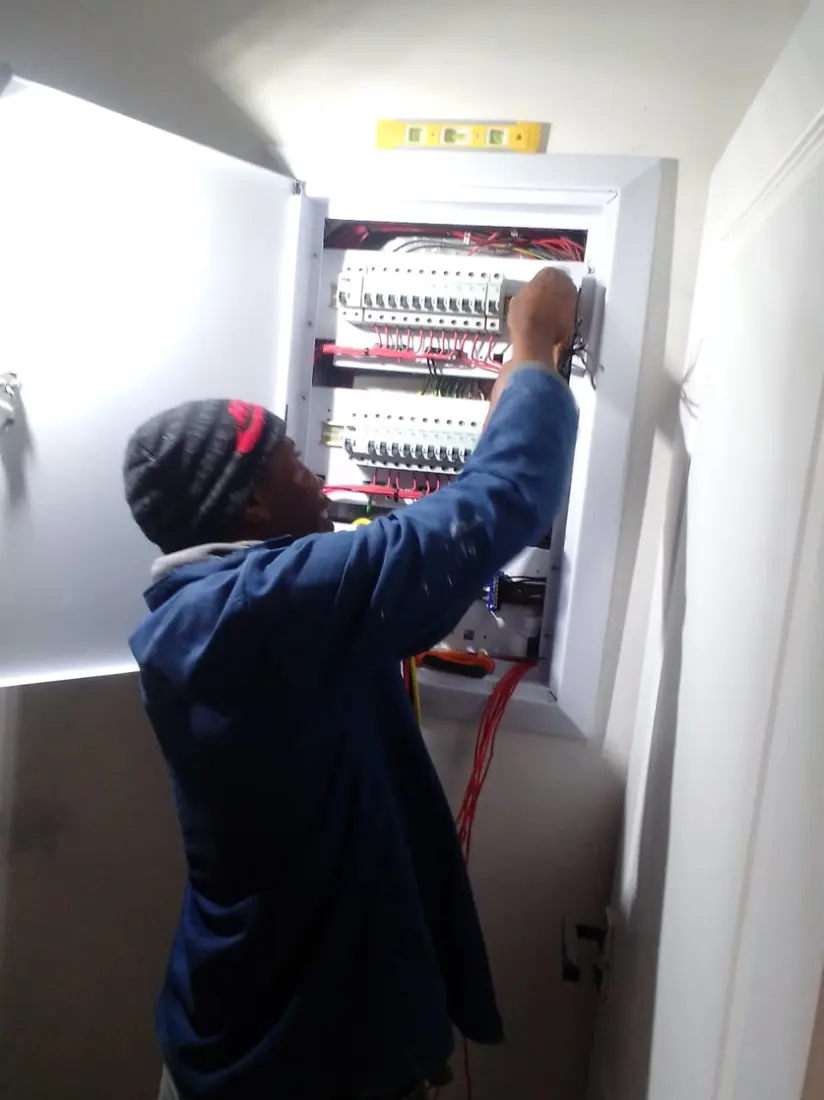
Electrical equipment and distribution wiring
Electrical services in Cape Town
Request a service visit

Enquire about Commercial Kitchen Electrical Power & Equipment Circuits

Include the property suburb, the issue or planned work and the best way to reach you.

By submitting, you agree to be contacted regarding this enquiry. No payment is collected.
Electrical / Cape Town

Service assessment and practical solutions

01

Build a load schedule before kitchen fit-out

A commercial kitchen may operate ovens, grills, boiling equipment, extractors, ice machines, refrigeration and dishwashers together. Nameplate ratings and duty cycles guide the electrical plan; adding every advertised appliance wattage blindly is not a substitute for a qualified load assessment. We ask for the equipment schedule, planned layout and any phased opening date. The current supply may be adequate for lighting but not for new three-phase cooking equipment. Resolving that before cabinets and ceilings close avoids disruptive rework.

02

Separate hygiene, heat and maintenance constraints

Commercial equipment requires practical means of isolation, service access and suitable protection against moisture, cleaning activities and heat. Socket position is particularly important around splash zones, under worktops and behind heavy machinery. An inaccessible isolator can slow repairs and create unsafe working practices. We review how cables cross food preparation areas, where kitchen extraction needs power and whether the premises has landlord rules for core drilling or common electrical infrastructure. Appliance manufacturers may mandate specific connection arrangements.

03

Coordinate outages and other contractors

Kitchens often have refrigeration that cannot be left unpowered throughout a long changeover. Electrical work therefore needs a sequence agreed with operations and any fit-out contractor. Plumbing, extraction, gas services and fire protection may use adjacent wall or ceiling areas, but each discipline retains its own compliance responsibilities. We identify circuits that can remain in service and the points where approved shutdowns are required. Late alterations to appliance models can change a circuit’s load and invalidate earlier assumptions.

04

Test, label and prepare for inspection

Completed power circuits should be tested for the installation and equipment involved, with clear DB schedules and isolation labels. The owner needs to know which contractor covers the equipment itself and which covers fixed wiring. We can discuss relevant CoC requirements for new electrical work, subject to the registered person’s inspection. A machine that trips after commissioning may have an equipment defect as well as a supply issue, so replacing protection without diagnosis is not an acceptable solution.

Recognise the situation

Common enquiries and what changes the job

Restaurant replaces gas appliances with electric

Check the supply and circuit capacity before equipment is delivered.

Bakery adds a second commercial oven

Simultaneous demand and the existing board arrangement may require changes.

Cafe renovations must finish over a weekend

Outage sequencing and fridge protection should be planned, not assumed.

Before booking

Information that helps define the work

Provide equipment nameplates, floor plan, existing DB photographs and target opening date. Specify whether appliances are supplied by you or another contractor.

State whether the space is owner-occupied or leased and whether the landlord or building management must approve changes.

Quotation scope

What affects the cost and work programme?

Frequently asked questions

Commercial Kitchen Electrical Power & Equipment Circuits: customer questions

Does every commercial cooker need three-phase power?

No. Requirements depend on its actual electrical rating and specified connection.

Can existing sockets support a new restaurant kitchen?

That cannot be assumed; a qualified load and circuit assessment is needed.

Is the appliance supplier responsible for wiring?

Responsibilities vary. The fixed-installation and equipment-commissioning scope should be explicit.

☎WhatsApp