
Cape Town metro · Standard working hoursinfo@katawaprojects.co.za
Katawa Projects
KATAWA PROJECTS / CAPE TOWN

Three-Phase Electrical Assessment Cape Town

Workshops, larger homes and commercial properties may need a three-phase installation to serve equipment safely. We assess the load and existing supply before specifying upgrades.

✓ Cape Town metro coverage✓ Service visits by arrangement✓ Clear quotation scope
Electrical equipment and distribution wiring
Electrical in Cape Town
Request a service visit

Request three-phase electrical assessment

Tell us what is happening, where the property is located and how we can arrange access. We will discuss the scope and availability during standard working hours.

By submitting, you agree to be contacted regarding this enquiry. No payment is collected.
Electrical / Cape Town

Three-Phase Electrical Assessment: practical assessment and clear next steps

Three-phase distribution, load assessment and electrical installation upgrade enquiries in Cape Town.

01

First establish what supply exists

Three-phase supply is not automatically needed because a property has many appliances. Load demand, motor requirements, distribution design and the available municipal or utility service determine the correct arrangement. We ask for the actual equipment list and available supply documentation before discussing distribution changes.

If a utility supply upgrade is required, there may be an application and approval process outside the electrician’s control. We distinguish work on customer-owned distribution equipment from supply changes managed by the relevant network operator.

02

Balanced distribution and protective devices

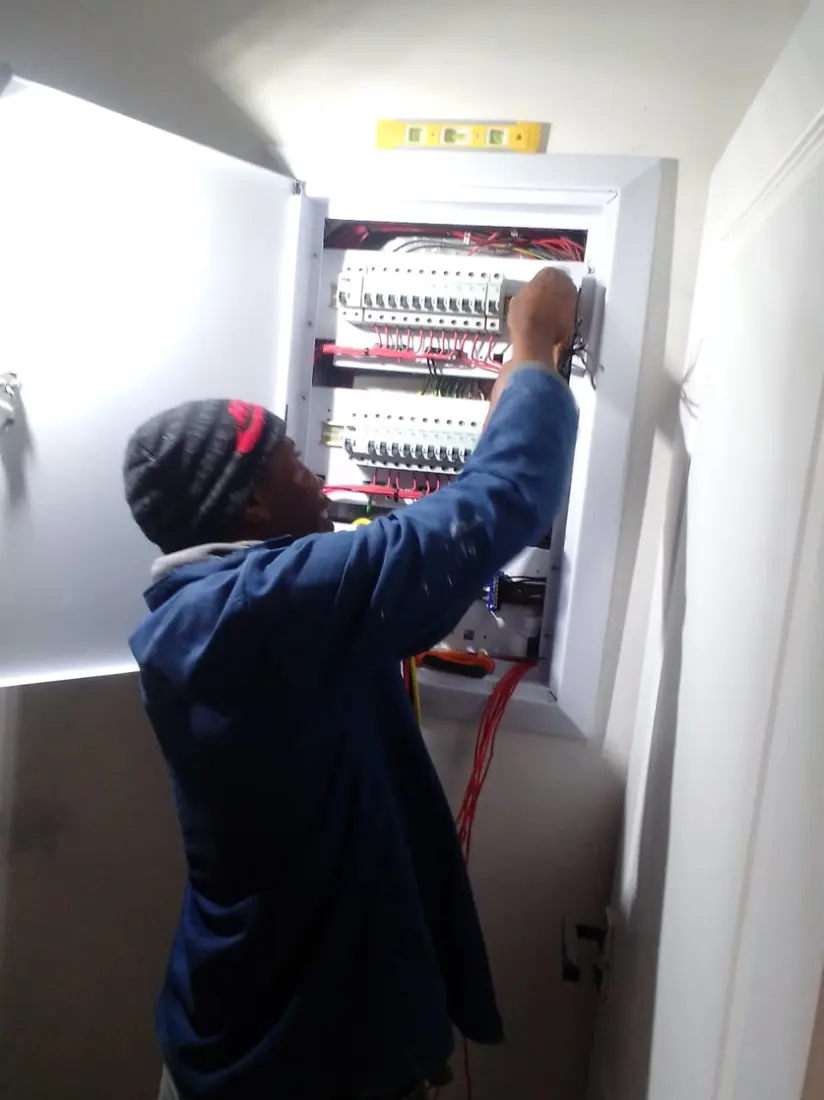
A three-phase installation needs correct circuit allocation, protective arrangements, conductor sizing and safe isolation. Unbalanced loading can cause operational issues even where the total connected demand seems acceptable. It is important to evaluate individual circuits and how loads are used in practice.

Simply adding a bigger distribution board does not increase the capacity of the incoming supply. We review the proposed equipment, existing board condition and protective coordination to establish what changes are reasonable and compliant.

03

Motors, machinery and business continuity

Pumps, compressors and workshop machinery can have start-up characteristics that differ substantially from steady running demand. Manufacturer specifications, control panels and the planned duty cycle inform the design. Where a motor frequently trips, the cause may include the machine itself, overload settings or supply conditions.

For trading premises, testing and modifications may require a controlled outage. We plan access with the authorised person and discuss sequencing where affected equipment cannot all be taken offline together.

04

What we need from your enquiry

Provide the premises type, equipment schedule, existing utility account or supply information where available and photographs of externally visible panel labels. Do not open distribution equipment to gather photos. Let us know whether the request is for a new workshop, additional equipment or a recurring fault.

We can then discuss the assessment scope, any network application requirements, professional design input and suitable electrical sign-off for the proposed work.

Common enquiries

Common situations and the appropriate starting point

The nature of the symptoms and the property arrangement affect what should be checked first. We use that information when discussing your enquiry.

New three-phase workshop machine

Collect rated and start-up demand plus existing supply information before proposing distribution upgrades.

Owner requests more power from City

A private contractor cannot promise municipal supply capacity; utility application and customer-side work are separate steps.

One phase trips during peak use

Review individual circuit loads, protective settings and possible faults rather than installing larger breakers indiscriminately.

Planning the job

When a supply upgrade is genuinely necessary

A new machine may require three-phase power, or the issue may instead be a poorly distributed set of single-phase loads. The decision should follow the equipment specifications, starting demand, allowable circuit arrangement and utility service information. A contractor should not advertise a three-phase conversion as a simple switch of a breaker.

Commercial sites also need to consider changes in operating hours and future machinery plans. If the initial design only accommodates one machine, later expansion can become unnecessarily disruptive. We discuss realistic capacity planning with the responsible person while distinguishing recommendations from the municipal provider’s final supply approval.

Clear job scope

What shapes the assessment and quotation?

The work is defined around the installation, access and decisions specific to three-phase electrical assessment.

We explain the proposed work and any site-specific cost factors before you decide to proceed. The final quotation depends on what is needed at your property.

Frequently asked questions

Three-Phase Electrical Assessment: FAQs

Will three-phase supply lower my electricity bill?

Not inherently. Tariffs and consumption determine billing; three-phase is primarily about suitable electrical capacity and distribution.

Can an electrician upgrade the City supply directly?

Utility-side changes typically require the relevant provider’s process. Customer-side distribution work must be distinguished from municipal equipment.

Why does one phase trip under heavy use?

Uneven loads, equipment faults or protective settings may contribute. A qualified assessment is needed to determine the cause.

☎WhatsApp