
Cape Town metro · Standard working hoursinfo@katawaprojects.co.za
Katawa Projects
KATAWA PROJECTS / CAPE TOWN

Commercial Plumbing Maintenance Cape Town

Commercial plumbing needs to protect the way a property operates. We help owners and facilities teams identify repairs, maintenance priorities and access requirements before a fault disrupts tenants or customers.

✓ Cape Town metro coverage✓ Service visits by arrangement✓ Clear quotation scope
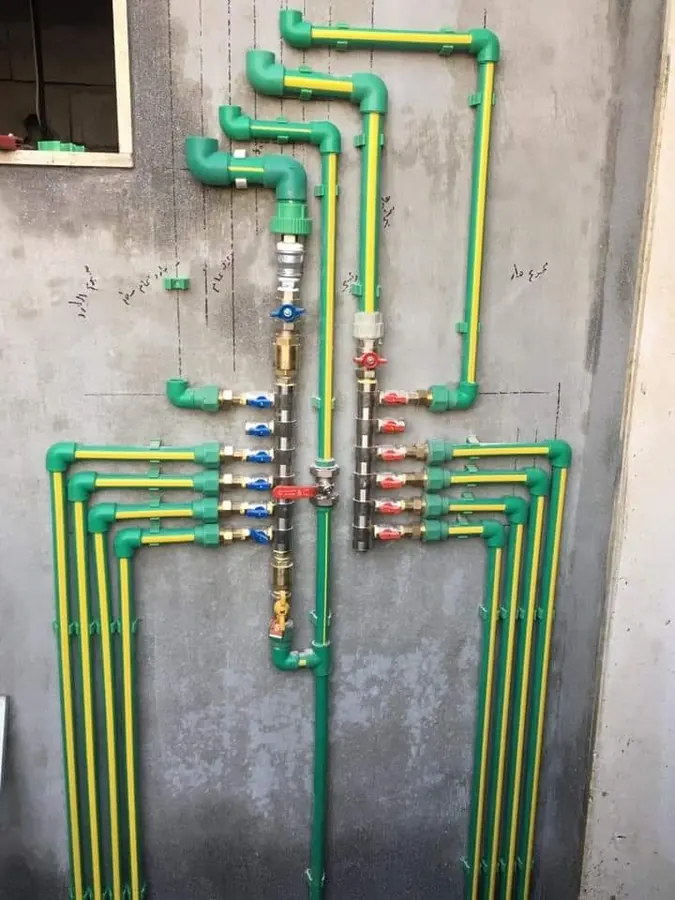
Plumbing components and pipework
Plumbing in Cape Town
Request a service visit

Request commercial plumbing maintenance

Tell us what is happening, where the property is located and how we can arrange access. We will discuss the scope and availability during standard working hours.

By submitting, you agree to be contacted regarding this enquiry. No payment is collected.
Plumbing / Cape Town

Commercial Plumbing Maintenance: practical assessment and clear next steps

Plumbing upkeep and planned repair enquiries for Cape Town offices, shops, rental properties and managed sites.

01

Common faults in busy properties

Toilets used throughout the day, communal kitchens, washrooms and plant areas experience different patterns of wear from a single household bathroom. A running cistern can waste substantial water; a small leak under a commercial sink can damage cupboards or create a slip hazard before staff notice it.

We prioritise reported symptoms, their effect on the building and the likelihood of repeat failure. A local fixture repair may be enough for one unit, but similar faults across several floors or outlets can point toward shared supply, pressure or maintenance problems.

02

Schedule work around occupants and operations

Service access may require security clearance, an escort, permission from a centre manager or shutdown notice to tenants. We ask for the property contact, affected units and preferred working window, and explain when isolation will interrupt water to other occupiers.

An occupied office, restaurant or retail premises may need temporary controls or a phased repair. The objective is to agree on a safe working scope, not to promise that every disruption can be avoided. We distinguish small maintenance visits from capital improvement projects.

03

Records, repeat faults and replacement choices

An effective maintenance discussion starts with a record of recurring leaks, previous repairs and unusual meter readings. Where suitable, photographs of the relevant valves, pumps, geysers or service cupboards help the right technician assess the issue. Multiple symptoms should be logged by fixture and location rather than placed in a single vague request.

If replacement is proposed, the quotation should explain whether it addresses a failed component, inaccessible old pipework or a wider pattern of deterioration. For managed sites, a clear work description also helps authorised decision-makers approve necessary repairs.

04

Commercial enquiry information

Provide the site address, building type, onsite contact, hours of permitted access, locations affected and any service shutdown restrictions. For a leaking line, advise whether the supply can be isolated locally. Where several tenants are impacted, identify who can give permission to interrupt a shared system.

We discuss the inspection scope and any phased repair requirements before scheduling. Planned maintenance is intended to reduce unmanaged failures, but the extent and frequency of work must reflect the building, equipment and agreed budget.

Common enquiries

Common situations and the appropriate starting point

The nature of the symptoms and the property arrangement affect what should be checked first. We use that information when discussing your enquiry.

Office washroom keeps running

Record the floor and fixture, isolation access and whether neighbouring toilets show the same pressure or valve symptoms.

Shop kitchen leak after closing

Agree on safe isolation and authorised after-hours access; our normal scheduling should not be mistaken for guaranteed emergency attendance.

Recurring faults in rental units

A history by unit helps identify isolated component wear versus shared line, pump or pressure problems.

Planning the job

Preventing interruptions in multi-user bathrooms

At a busy site, the person reporting a leak may not know whether water is supplied through the tenancy or a shared riser. We ask for the responsible building contact and any available valve plan before beginning work. Where isolation affects several users, communication is part of the repair plan.

For recurring faults, a simple location log is valuable: fixture, date, symptom, previous remedy and whether the failure returned. It helps avoid treating a series of related complaints as unrelated call-outs. We can discuss which observations warrant preventive attention and which require immediate repair due to active water damage.

Clear job scope

What shapes the assessment and quotation?

The work is defined around the installation, access and decisions specific to commercial plumbing maintenance.

We explain the proposed work and any site-specific cost factors before you decide to proceed. The final quotation depends on what is needed at your property.

Frequently asked questions

Commercial Plumbing Maintenance: FAQs

Can you work with a facilities manager?

Yes, provide the authorised contact, site requirements and work order details when enquiring so the scope and access can be discussed.

Can all plumbing repairs be completed without shutting the water off?

No. Some jobs require isolation, potentially affecting other tenants. We will identify this before agreeing on a suitable work window.

Are maintenance plans fixed for every business?

No. Visit frequency and tasks should follow the property size, equipment, recurring faults and the agreed service scope.

☎WhatsApp