Pump runs but pressure is low
The issue could relate to suction supply, leaks, a blocked intake, pressure controls or sizing. Equipment should be inspected before the pump itself is condemned.

Pump and water-pressure systems for domestic supply, water tanks and compatible property applications.
Send your suburb and a short description of the problem. Send a clear photo of the pump model plate, nearby pressure gauge and controller if accessible without touching live electrical connections.
A pump that cycles frequently, runs without delivering enough flow or fails to start may have a problem with supply, controls, pressure settings, valves or the pump itself. Replacing the motor without checking the system may leave the underlying issue unresolved.
We inspect the system layout, suction and discharge connections, isolation arrangements, pressure control and operating symptoms. Installations are planned around the required duty, water source, available electrical supply and practical future access for maintenance.
Pump selection must account for intended flow and head, not only motor size. Incorrect controls or dry running can shorten pump life. We discuss whether repair, controller replacement or a suitably sized new installation is the better approach.
A pump may run continuously, fail to start, lose prime, cycle rapidly or deliver poor pressure. Each symptom can involve different causes: suction conditions, blocked strainers, controls, pressure vessels, electrical supply or leaks in connected pipework. Replacing the motor without checking the system may leave the complaint unresolved.
We establish the water source, required flow, expected pressure, pipe arrangement and how many outlets may operate together. Appropriate isolation, non-return protection, filtration and electrical supply matter to both performance and maintenance. Booster arrangements for a multi-storey property require different consideration from a simple tank-to-garden supply.
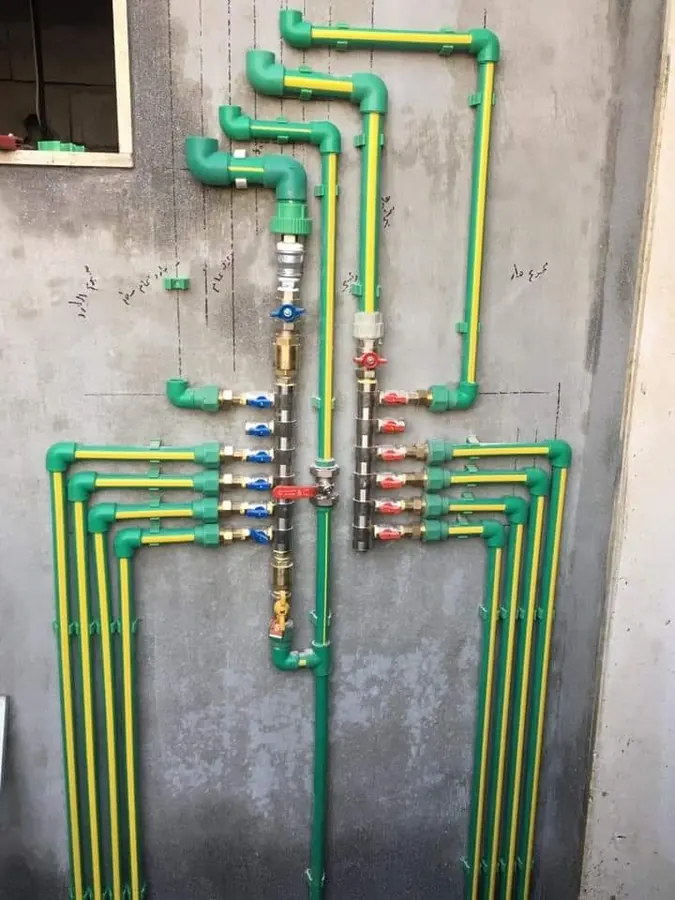
A photo of the nameplate, controller and visible manifold can help with initial discussions if safely obtained. Our planning separates diagnosis, component repair and full system replacement, including the effects of pressure settings on downstream plumbing.
The issue could relate to suction supply, leaks, a blocked intake, pressure controls or sizing. Equipment should be inspected before the pump itself is condemned.
Repeated switching can be associated with pressure changes, a leaking line, control settings or a pressure-vessel problem. Report when cycling occurs and whether outlets are being used.
Tank location, source-water quality, desired flow, electrical supply and existing pipework determine an appropriate arrangement.
Send a clear photo of the pump model plate, nearby pressure gauge and controller if accessible without touching live electrical connections. Describe the tanks and fixtures served by the pump.
Possible causes include leaks, control settings, pressure vessel issues or failed non-return components.
It depends on the existing supply and system design; assessment is needed before selection.
Yes, subject to the intended application, safe supply arrangement and system specifications.