No hot water
Tell us whether all hot taps run cold, whether the problem began after a power interruption and whether the electrical circuit trips. A lack of hot water does not by itself prove that a cylinder needs replacing.

Investigations and repairs for electric geysers that leak, stop heating or behave unpredictably.
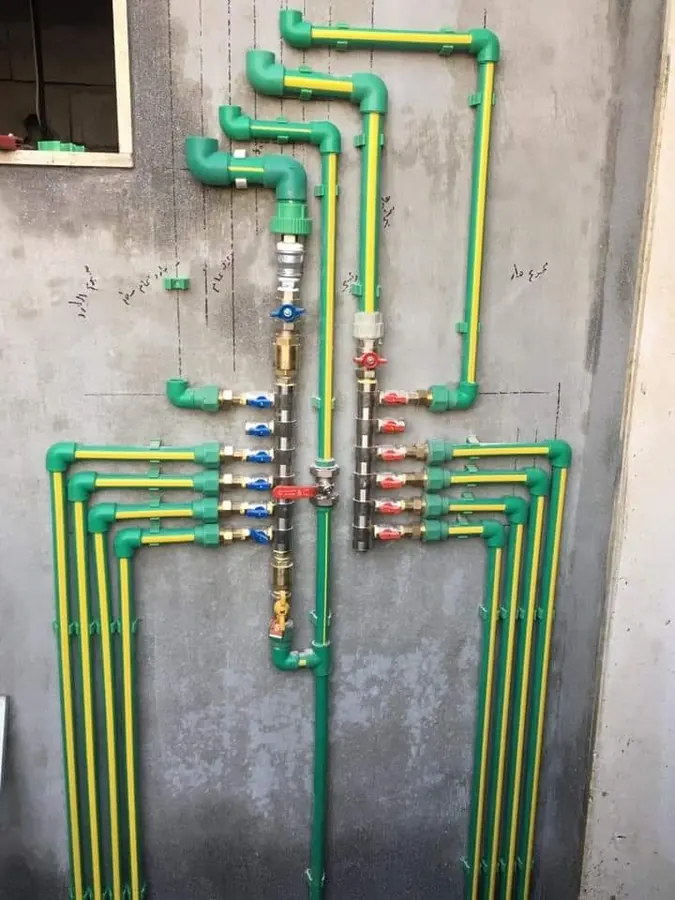
Send your suburb and a short description of the problem. Include an accessible photo of the geyser label, its approximate capacity, whether the unit is indoors or in a roof space, and where the leak is visible.
A cold tap is not the same as a cold geyser: confirm whether hot water has stopped at every outlet or only one mixer. A leaking relief line, dripping ceiling, electrical trip or rumbling cylinder each points to a different range of possibilities, which should be checked rather than assumed.
We establish whether the issue is electrical supply, a control component, a valve, the pipe connections or the cylinder itself. Work may include inspecting visible leaks, evaluating elements and thermostats through qualified testing, checking safety devices and advising when replacement is preferable.
A water heater is a pressurised electrical appliance. Do not remove covers or bypass protective devices. If water is leaking near electrical equipment, keep clear and request qualified assistance. Availability of replacements depends on model, cylinder size and access.
A geyser that delivers no hot water may have an electrical supply problem, a defective thermostat or an element fault. A leak can instead arise from a connector, valve, discharge pipe or the cylinder itself. We ask whether all hot taps are affected, whether there has been electrical tripping and whether water is visibly escaping. Those answers guide inspection; they are not a diagnosis.
The distinction between a repairable fitting and a failed tank is especially important. Replacing controls on a cylinder with structural damage will not restore its integrity. We consider access, cylinder age, capacity, condition and the cost of suitable parts before discussing repair or replacement. Safety valves and protective components must never be bypassed to keep a geyser running.
If water is coming through a ceiling or near electrical fittings, stay clear of wet electrical equipment and seek qualified assistance. Do not remove the geyser cover or attempt electrical testing. When requesting help, a photograph of the visible label or leak location can be useful if it is safe to obtain.
A little discharge while a geyser heats is different from a pipe that runs continuously. Tell us whether the overflow is intermittent or steady, whether hot-water pressure has changed and whether the water appears at the cylinder or at an external discharge. This helps distinguish possible pressure-control, safety-valve and cylinder issues without diagnosing the fault from a photograph. Do not cap an overflow pipe or interfere with the safety relief device. If discharge is substantial or electrical components are wet, keep clear and arrange a qualified assessment.
Related Katawa guidance →Tell us whether all hot taps run cold, whether the problem began after a power interruption and whether the electrical circuit trips. A lack of hot water does not by itself prove that a cylinder needs replacing.
Note whether water is escaping from a pipe joint, safety discharge or the cylinder body. Location matters because a faulty valve and a ruptured vessel require different remedies.
If water is escaping continuously, isolate the relevant supply only if the valve is accessible and safe. Keep away from wet electrical fittings, and avoid tampering with the thermostat or element.
Include an accessible photo of the geyser label, its approximate capacity, whether the unit is indoors or in a roof space, and where the leak is visible. We can then discuss inspection versus replacement and the applicable installation requirements.
Faults may involve the heating element, wiring or protective circuit; testing is required.
Some leaks involve replaceable fittings; a failed cylinder generally calls for replacement.
We recommend component replacement only after checking the cause of the symptoms.