Cape Town metro · Standard working hoursinfo@katawaprojects.co.za
Katawa Projects
KATAWA PROJECTS / CAPE TOWN

Solar DC Isolator & Protection Faults Cape Town

Discuss solar DC isolation faults, damaged outdoor enclosures and the safe assessment of array-side protective components.

✓ Cape Town metropolitan coverage✓ Registered plumbing and electrical capacity✓ Work by arrangement
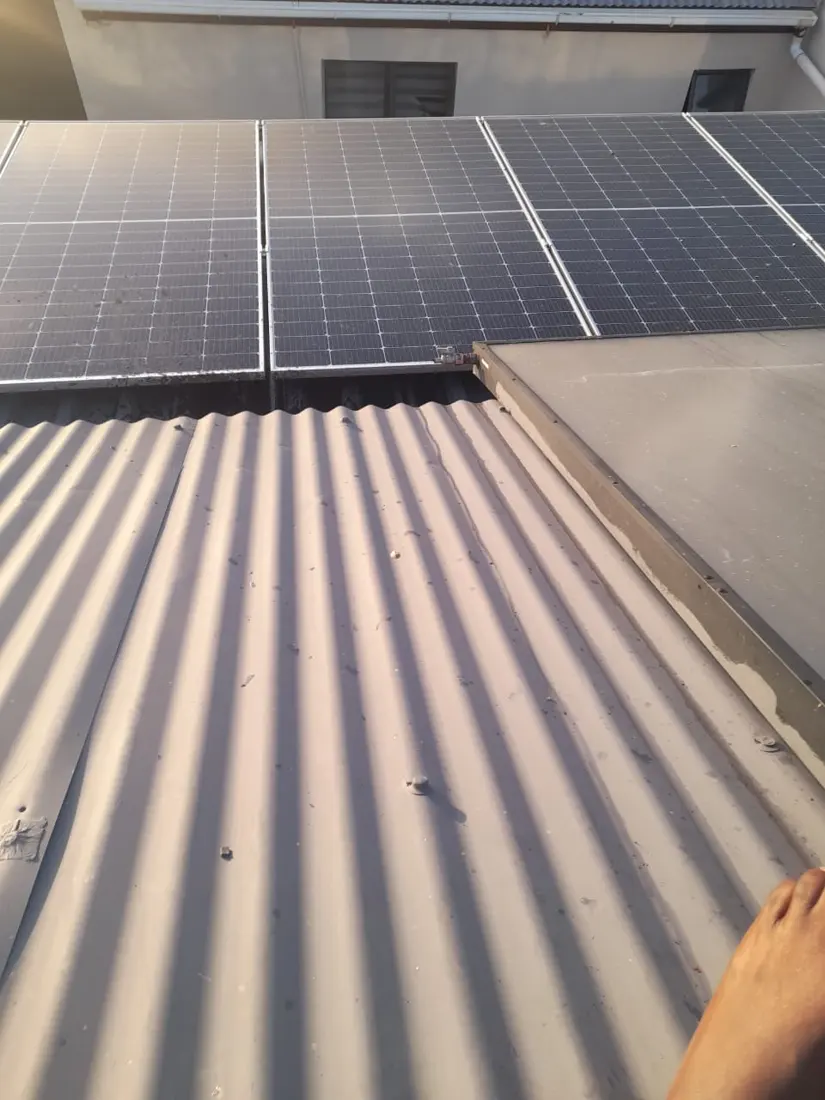
Solar power system equipment
Solar & Backup Power services in Cape Town
Request a service visit

Enquire about Solar DC Isolator & Protection Faults

Include the property suburb, the issue or planned work and the best way to reach you.

By submitting, you agree to be contacted regarding this enquiry. No payment is collected.
Solar & Backup Power / Cape Town

Service assessment and practical solutions

01

DC isolation is not a household switch replacement

Solar panels can generate direct current while exposed to daylight even when the inverter has been switched off. A damaged DC isolator, connector or cable should not be approached like an ordinary domestic light switch. We begin by asking what the monitoring system reports, whether an enclosure shows heat or water damage, and whether anyone has noticed noise, smell or discolouration. Customers should not open solar DC boxes, disconnect connectors or assume the array is dead after switching off the AC side.

02

Common causes of damaged protection equipment

Moisture ingress, deteriorated seals, incompatible components, poor connector mating or incorrect assembly can create faults over time. Coastal weather and rooftop exposure can accelerate wear where equipment was not suitably selected. Inspection must consider the entire affected connection, not just the visible handle. Replacing a scorched isolator without examining upstream and downstream terminations may allow the underlying problem to recur. Trained personnel need suitable procedures and instruments for DC systems; this work is not a homeowner troubleshooting exercise.

03

What the assessment and repair scope should cover

A quote should identify the installed inverter, array arrangement, accessible isolation points and visible signs of damage. The contractor may need to review wiring drawings, string design and enclosure ratings before deciding whether an isolator, cable or connector must be replaced. Testing after work should establish correct operation and absence of observed defects within the agreed scope. Where the installation has other wiring or earthing problems, those should be listed separately. We do not suggest bypassing a safety isolator to restore production.

04

Authorisation and documentation in Cape Town

The City of Cape Town requires authorisation of applicable solar PV and battery installations in its electricity supply area. If a repair changes the system configuration, authorised design or inverter arrangement, we first establish whether revised paperwork or professional sign-off is needed. Photographs, inverter model and any approval records will help define the task. We will also distinguish an isolated repair from a full system recertification. The aim is a safe, documented result, not a quick restoration that leaves protective equipment compromised.

Recognise the situation

Common enquiries and what changes the job

Isolator has melted or smells burnt

Treat this as a serious electrical concern: keep clear and arrange appropriately qualified assistance.

Monitoring shows a string offline

Loss of production may arise from wiring, connections, protection equipment or inverter inputs; do not diagnose from the app alone.

Outdoor DC enclosure fills with moisture

Inspect the entry points, enclosure suitability and affected terminations rather than simply drying and reclosing the box.

Before booking

Information that helps define the work

Do not remove covers or unplug DC connectors to obtain photos. Provide only safe external images, inverter model and fault history.

If the work changes approved system characteristics, the relevant City authorisation and sign-off pathway must be checked before re-energising.

Quotation scope

What affects the cost and work programme?

Where applicable in the City of Cape Town electricity supply area, new solar PV/battery systems and relevant system changes must follow the City authorisation process. Professional sign-off and suitable approved inverters are important requirements; never activate an unauthorised modified system.

Frequently asked questions

Solar DC Isolator & Protection Faults: customer questions

Can I turn off the inverter and change a DC switch myself?

No. Solar modules can still produce dangerous DC voltage in daylight. Work requires qualified personnel and appropriate isolation methods.

Does a failed isolator mean the panels are defective?

Not necessarily. A failed enclosure or connection can prevent generation even where the panels remain sound.

Do all repairs need a new City application?

Not every like-for-like repair necessarily changes the authorised system. A design modification should be checked against the applicable City and distributor requirements.

☎WhatsApp