
Cape Town metro · Standard working hoursinfo@katawaprojects.co.za
Katawa Projects
KATAWA PROJECTS / CAPE TOWN

Solar Panel Cleaning Cape Town

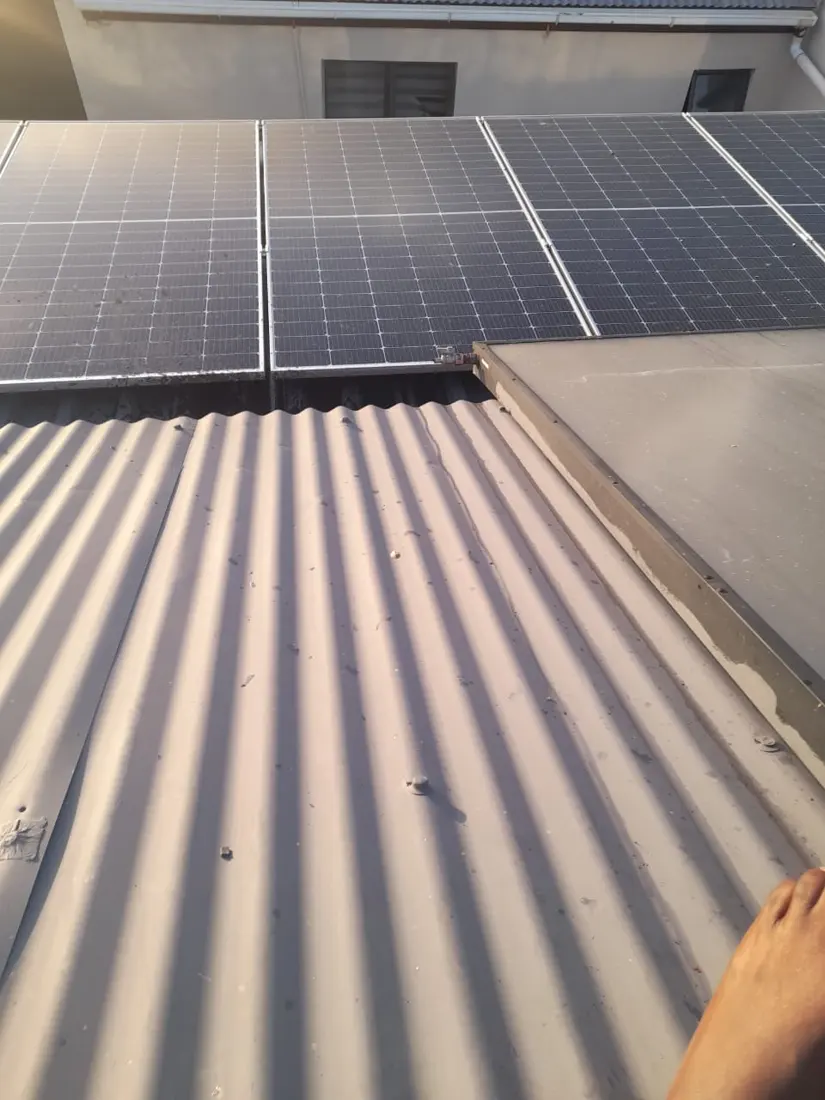
Soil, bird droppings and coastal deposits can affect photovoltaic panels, but cleaning must not put people, roofs or electrical equipment at risk.

✓ Cape Town metro coverage✓ Service visits by arrangement✓ Clear quotation scope
Solar power system equipment
Solar & Backup Power in Cape Town
Request a service visit

Request solar panel cleaning

Tell us what is happening, where the property is located and how we can arrange access. We will discuss the scope and availability during standard working hours.

By submitting, you agree to be contacted regarding this enquiry. No payment is collected.

Further services related to this work

Solar & Backup Power / Cape Town

Solar Panel Cleaning: practical assessment and clear next steps

Roof-access assessment and safe solar panel cleaning enquiries for Cape Town homes and businesses.

01

Check whether cleaning is the right intervention

Visible dirt is one reason to inspect a PV array, but lower generation can also result from shading, inverter derating, failed strings or monitoring issues. We discuss the age of the installation, visible soiling and recent generation trends before recommending a cleaning visit. A system that suddenly stops producing electricity needs electrical diagnosis rather than a wash alone.

Cape Town properties may experience dust, sea-salt residue and bird activity at different rates. We do not promise a fixed percentage improvement or a universal quarterly schedule; the appropriate interval depends on the roof, orientation, site conditions and observed output.

02

Roof access and module care come first

PV modules have coated glass, electrical connections and manufacturer cleaning guidance. Abrasive brushes, harsh chemicals and high-pressure washing can damage surfaces or compromise warranties. Cleaning methods should follow module instructions and be compatible with the array condition and water quality.

Working on pitched or elevated roofs also introduces fall risk and access constraints. A quote needs roof height, pitch, safe access and any fragile roofing features. If access cannot be made safe or the panels show damage, cleaning should not proceed as an improvised ladder job.

03

What to inspect while the array is accessible

An appropriate visual review may reveal loose cable support, damaged conduit, bird nesting or debris that collects around panel edges. These observations should be recorded for a qualified solar electrical assessment where required; a cleaner should not dismantle energised connectors to investigate a fault.

Panel frames and roof drainage paths should be left clear. On older arrays, the system owner should retain any inverter generation records so performance can be compared over time rather than judged solely by panel appearance.

04

Requesting a solar panel cleaning assessment

Share your suburb, estimated panel count, roof type and photographs taken from a safe position. Tell us if the inverter has shown recent fault warnings or if you suspect broken glass. A previous installation layout or module model can help us identify appropriate cleaning requirements.

We discuss safe access, cleaning scope and any separate electrical inspection. If the issue is poor output rather than visible soiling, our solar diagnostic pages may be the more appropriate starting point.

Common enquiries

Common situations and the appropriate starting point

The nature of the symptoms and the property arrangement affect what should be checked first. We use that information when discussing your enquiry.

Panels dirty after coastal winds

Assess contamination and safe roof access while respecting module cleaning instructions; salt exposure alone does not prove a particular yield loss.

Output drops suddenly overnight

Treat unexpected generation change as a potential system fault, not evidence that the array simply needs washing.

Cracked panel or exposed cable

Do not wash or handle suspected damaged equipment; arrange a qualified system inspection first.

Planning the job

Cleaning after installation or building work

Roof work, building dust and accumulated construction debris may justify a closer look at a new array. The first step should be to check manufacturer care instructions and whether loose material can be removed without abrading glass or disturbing wiring. A panel should not be climbed on or used as a standing surface during roof access.

It is useful to record visible soiling and inverter production around the time of service, but a single sunny afternoon cannot establish a precise cleaning benefit. Where generation remains unexpectedly low afterward, electrical and configuration checks are a different job that should be assessed by qualified personnel.

Clear job scope

What shapes the assessment and quotation?

The work is defined around the installation, access and decisions specific to solar panel cleaning.

We explain the proposed work and any site-specific cost factors before you decide to proceed. The final quotation depends on what is needed at your property.

For applicable City-supplied sites, consult the City of Cape Town’s solar PV and battery authorisation guidance. New installations must satisfy relevant approval and professional sign-off requirements before operation.

Frequently asked questions

Solar Panel Cleaning: FAQs

How often should solar panels be cleaned in Cape Town?

There is no single schedule for every site. Dust, bird activity, access and actual generation records inform the decision.

Can you use a pressure washer on PV modules?

High-pressure washing is generally unsuitable for many modules. Follow the manufacturer’s cleaning requirements and safe work procedures.

Will cleaning fix an inverter error?

No. Inverter fault messages call for an electrical or system diagnosis; surface cleaning addresses a different issue.

☎WhatsApp