Cape Town metro · Standard working hoursinfo@katawaprojects.co.za
Katawa Projects
KATAWA PROJECTS / CAPE TOWN

Solar SSEG Compliance Assessment & Application Preparation Cape Town

Understand the documentation and technical review involved before energising a new or modified PV or battery system in the City of Cape Town supply area.

✓ Cape Town metro coverage✓ Planned site assessments✓ Visits by arrangement
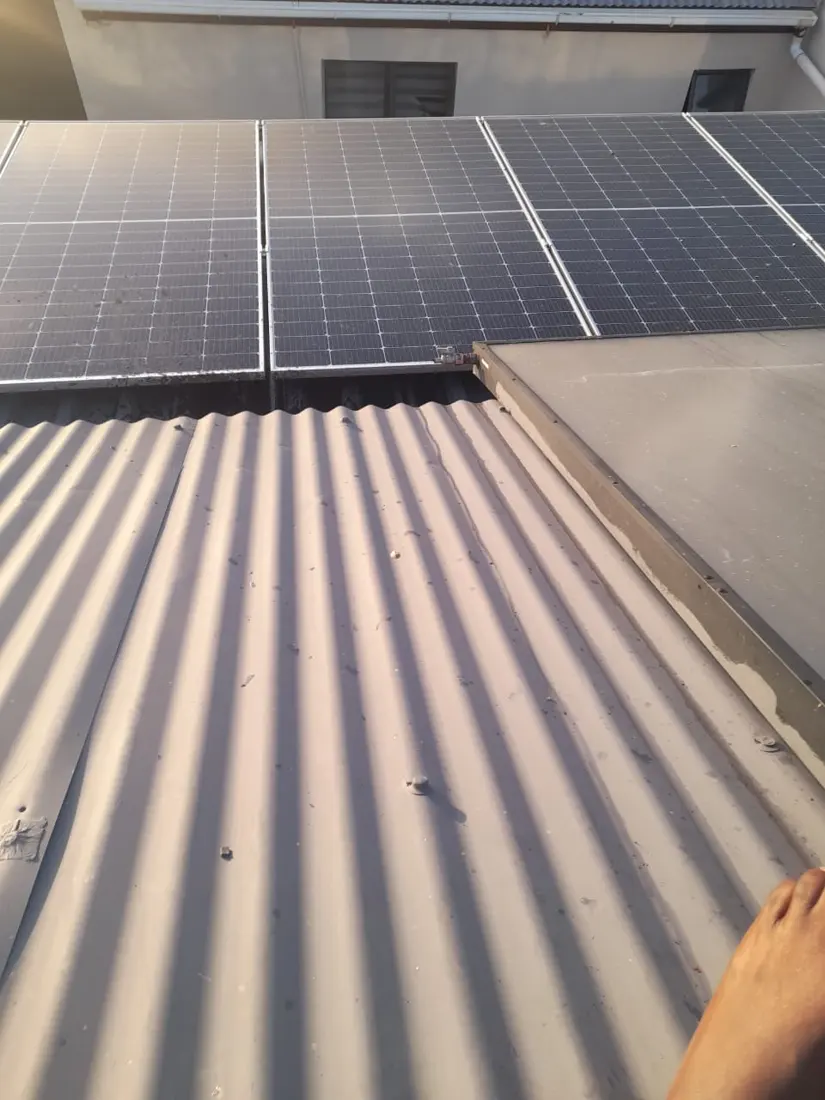
Solar power system equipment
Solar & Backup Power in Cape Town
Request a service visit

Request solar sseg compliance assessment & application preparation

Include the property suburb, the issue or planned work and the best way to reach you.

By submitting, you agree to be contacted regarding this enquiry. No payment is collected.
Solar & Backup Power / Cape Town

What the work involves and how we assess it

01

Establish the electricity distributor first

Solar approval rules depend on the actual network supplying the premises. Within the City of Cape Town electricity supply area, the City requires applicable new solar PV and battery arrangements to follow its embedded-generation authorisation process. The City currently treats new applications as grid-tied and specifies approved inverter models, professional sign-off and authorisation before switching on. Customers supplied by another distributor should follow that provider’s requirements instead of assuming City paperwork applies universally.

02

Technical records the application may need

Preparation commonly depends on the supply details, owner and site information, equipment specifications, a single-line diagram and the appointed professional’s supporting documents. We ask what is already installed, whether the project is new or an alteration and whether a previous authorisation exists. A generic invoice or solar brochure is not a substitute for design documentation. Information needs to match the actual installation and the relevant electricity service.

03

Inspect before claiming a system can be registered

A PV system may contain undocumented cable changes, unsuitable equipment or incorrectly configured protection. An honest assessment identifies what needs to be inspected, upgraded or redesigned before the authorised professional signs off. We do not advertise that every unapproved system can be certified without alterations. We also do not imply Katawa Projects alone can provide professional engineering approval unless the appointed signatory’s qualification is verified for the specific work.

04

Coordinate application and commissioning milestones

The owner should know who is responsible for submitting the application, providing drawings, making any remedial changes and retaining commissioning records. Applicable equipment should not be turned on simply because a booking was accepted or installation completed. We can discuss the technical preparation and coordination scope, subject to confirmation of the registered professionals required for the project. Municipal approval timing is outside our control.

Situations to discuss

Common job conditions that change the approach

Describe what you have observed before requesting work. These examples are not substitutes for an on-site diagnosis.

Owner has a rooftop system but no paperwork

Gather equipment models, supply details and existing documents and determine the proper rectification path.

Client adds batteries to an authorised PV installation

Check whether the configuration change requires an update to the existing approval.

Contractor proposes an unapproved inverter

Review current equipment approval requirements before agreeing to a design.

Preparing the request

What to have ready before arranging an assessment

Gather the electricity account or meter details, inverter and battery models, existing approval letters and any single-line drawings you have. If a system has already been installed, be clear about whether it has ever been authorised and whether later changes were made. Without this information the compliance discussion risks becoming an unsubstantiated promise to “register any solar system”.

The qualified professional responsible for technical sign-off must be identified for the particular installation. Katawa can discuss its trade-side assessment and coordination scope, but approvals are not issued by the website or by a marketing claim. The property owner should retain the authorisation documents and know who is accountable for correcting any deficiencies found before the system is operated.

Scope and quotation

What influences the cost and practical work?

The City of Cape Town authorisation guidance applies to relevant new and modified PV and battery systems in its supply area. City-approved inverter arrangements, professional sign-off and authorisation must be addressed before switching on. Other distributors may impose their own rules.

PV and battery permission is a sequence, not one form

Cape Town’s City-supplied customers use the online Energy Services application process for applicable PV and battery systems. Permission to Install is not the same as permission to energise: commissioning documentation, a CoC and professional sign-off can be needed before the system may operate. Properties supplied by Eskom require the appropriate Eskom route. Confirm the supply authority, proposed inverter model and sign-off responsibilities before equipment is ordered.

Related Katawa guidance →
Frequently asked questions

Solar SSEG Compliance Assessment & Application Preparation: questions

Are all battery systems exempt if panels are absent?

No. The City’s current rules also address relevant new battery systems.

Can you promise to obtain municipal approval?

No. Authorisation is determined by the relevant electricity authority and qualified signatories.

Do old permissions stay valid after modifications?

Not automatically; changes should be checked against the original permission and current rules.

☎WhatsApp