
Cape Town metro · Standard working hoursinfo@katawaprojects.co.za
Katawa Projects
KATAWA PROJECTS / CAPE TOWN

Rental Property Electrical Safety Inspections Cape Town

Electrical condition checks for landlords and managing agents concerned about ageing outlets, unauthorised alterations and tenant handovers.

✓ Cape Town metro coverage✓ Registered trade capacity✓ Visits by arrangement
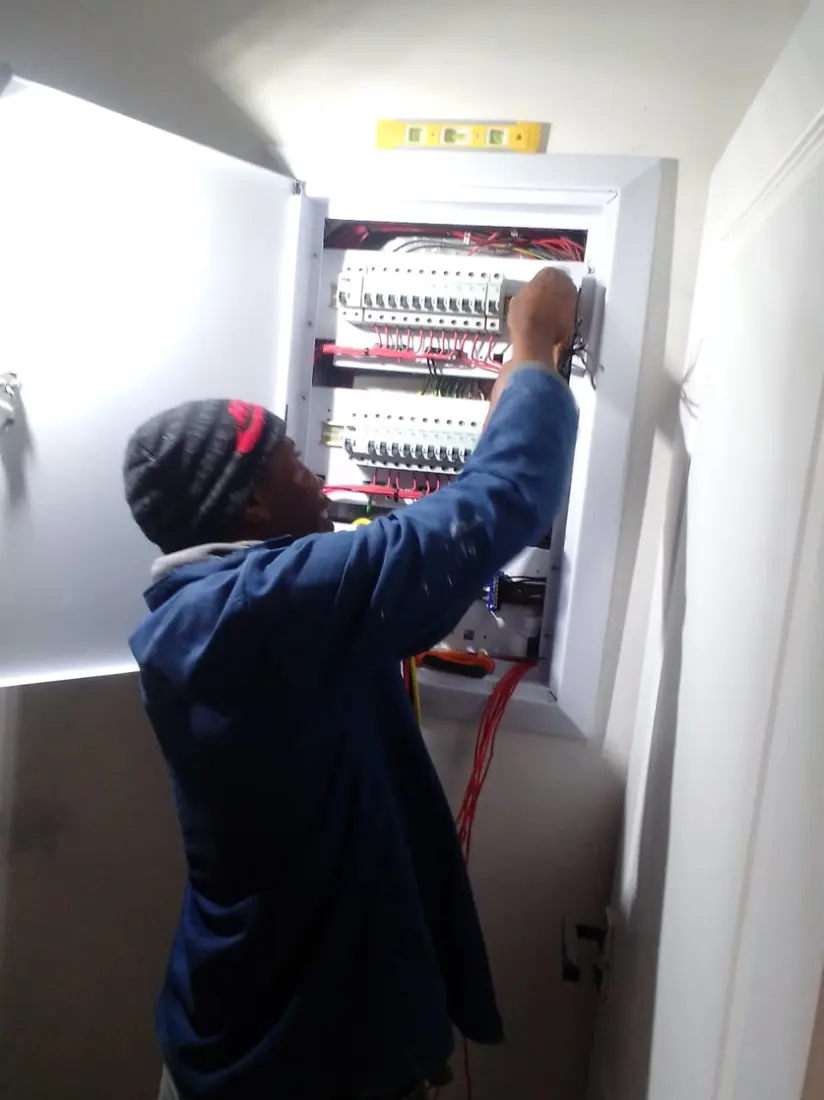
Electrical equipment and distribution wiring
Electrical in Cape Town
Request a service visit

Request rental property electrical safety inspections

Include the property suburb, the issue or planned work and the best way to reach you.

By submitting, you agree to be contacted regarding this enquiry. No payment is collected.
Electrical / Cape Town

What the work involves and how we assess it

01

Separate condition checks from a sale CoC

An electrical safety assessment can be useful when a tenancy changes, a property has been damaged or the owner is planning refurbishment. It is not automatically identical to a transfer Certificate of Compliance. We clarify whether the landlord needs fault investigation, a planned maintenance review or a formal certificate. A valid certificate must reflect the actual inspected and tested installation, and cannot be promised from a phone call or a previous report.

02

High-touch wear points in rental homes

Loose socket fronts, damaged switches, overheating marks, repeated tripping and alterations made without permission deserve attention. We discuss the age of the distribution board, known appliance faults and which rooms or units have been affected. A visual walkthrough can identify obvious problems, but electrical measurements and testing require a qualified practitioner. Tenants should not remove covers or touch exposed conductors to supply photos.

03

Multiple units and managed access

Townhouse complexes, flats and holiday lets may have separate distribution boards, common areas and metering arrangements. The owner or managing agent should identify boundaries between private and shared circuits, keyholders and any planned interruption notices. Where common electrical equipment is involved, approval responsibilities may be different from those inside the rental unit. We can structure an enquiry around the correct authorised contact and individual unit symptoms.

04

Defect records and follow-up repairs

Useful reporting distinguishes immediate safety hazards from non-urgent improvements and planned upgrades. The responsible person should understand what was examined, what could not be accessed and what remedial work is recommended. Repairs, retesting and certificate work have different acceptance criteria. We discuss timing around tenant access rather than promising every property will pass inspection the same day.

Situations to discuss

Common job conditions that change the approach

Describe what you have observed before requesting work. These examples are not substitutes for an on-site diagnosis.

Tenant reports burning smell at a socket

Stop using the outlet and arrange appropriate urgent electrical assessment; avoid opening the fitting.

Three rental units share one main supply

Identify ownership and common-property access before testing and isolating circuits.

Landlord has an old CoC but work was added

New alterations may not be covered by the prior documentation and may need inspection and appropriate certification.

Preparing the request

What to have ready before arranging an assessment

For a landlord or agent, group the reported electrical problems by rental unit and note previous tenant changes, appliance incidents or wiring alterations. It is useful to know whether the supply trips only under high load or whether individual fittings show signs of physical damage. These observations allow the qualified electrician to plan a suitable assessment without asking tenants to open dangerous equipment.

A property report should distinguish inaccessible locations, defects actually observed and the work needed to resolve them. The landlord can then decide whether to schedule repairs before the next tenancy, while the correct certification requirements are handled separately. Where a body corporate controls shared wiring or meters, obtain the appropriate authority before promising work on those assets.

Where the same owner manages several units, a clear unit-by-unit inspection schedule reduces repeated site access and confusion over which defect belongs to which dwelling. The agent should keep installation records and previous authorised modifications available, because an electrical report is most useful when measured against the right property history.

Scope and quotation

What influences the cost and practical work?

Frequently asked questions

Rental Property Electrical Safety Inspections: questions

Does every new tenancy legally require a new CoC?

Requirements depend on the circumstances; a fresh check may be prudent without being universally mandatory.

Can a safety inspection replace a full CoC?

No. Explain the documentation needed before booking so the correct testing scope is arranged.

Can tenants report faults directly?

Yes, but repairs and any supply interruption require proper landlord or agent authorisation.

☎WhatsApp