
Cape Town metro · Standard working hoursinfo@katawaprojects.co.za
Katawa Projects
KATAWA PROJECTS / CAPE TOWN

Rainwater Downpipe Diverter Installation Cape Town

A downpipe diverter can direct suitable roof runoff into a storage tank while letting excess water continue through the original drainage route. We plan the inlet, bypass, overflow and access as a complete arrangement.

✓ Cape Town metropolitan coverage✓ Registered plumbing and electrical capacity✓ Work by arrangement
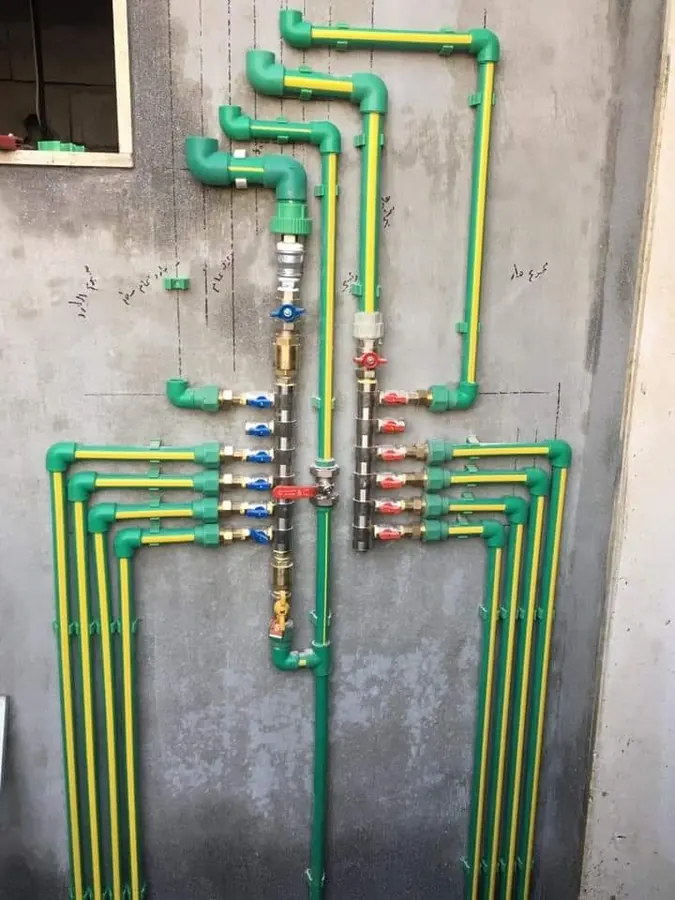
Water pipes and plumbing fittings
Plumbing in Cape Town
Request a service visit

Enquire about Rainwater Downpipe Diverter Installation

Include the property suburb, the issue or planned work and the best way to reach you. Provide images of the gutter, downpipe, nearby tank position and the proposed overflow discharge.

By submitting, you agree to be contacted regarding this enquiry. No payment is collected.
Plumbing / Cape Town

Site assessment and work planning

01

Assess roof catchment and the existing downpipe

The correct diverter depends on the roof and gutter network rather than the tank alone. We look at downpipe size, available vertical drop, leaf build-up, accessible fixing positions and the route to storage. A tank placed too far from the downpipe may need long exposed piping or a different inlet position. Roof water can carry dust, bird droppings and debris; collected water should not be described as drinking water without suitable treatment and testing.

02

Choose a controlled inlet rather than a permanent blockage

A diverter must not create a standing obstruction that causes roof gutters to overflow against a wall during a Cape winter storm. We assess whether a removable debris screen, first-flush arrangement or suitable bypass is appropriate for the system. Fittings should allow routine cleaning. We also check that the tank water level and pipe elevations will not make water back up toward the roof when the storage is full.

03

Route overflow away from vulnerable foundations

Once a tank fills, the overflow has to handle incoming runoff safely. Discharging toward a doorway, retaining wall, neighbouring property or electrical installation can create a new problem. We consider the existing stormwater discharge route and whether any alteration requires approval. Rainwater connections must remain separate from the potable supply unless an explicitly compliant alternative-water arrangement is planned; the supply should not be cross-connected casually.

04

Test the diversion and describe future upkeep

A useful handover includes checking fittings for leaks, demonstrating bypass operation where fitted, and identifying how owners can inspect screens after wind and storms. Debris and sediment can restrict a system even when the original plumbing is sound. We explain which parts are serviceable without working at unsafe height and when a gutter or roof specialist may also be needed. The quotation distinguishes work on the downpipe from supply of a storage tank and pump.

For applicable municipal requirements, consult the City of Cape Town guidance alongside the project assessment.

Typical enquiries

When this work may be needed

01

An existing tank sits near a downpipe but has no rainwater inlet.

02

A diverter overflows back toward the eaves when heavy rain begins.

03

Leaf litter blocks a small inlet and the tank fills too slowly despite rainy weather.

Before your appointment

Information that helps us prepare

Provide images of the gutter, downpipe, nearby tank position and the proposed overflow discharge.

Describe whether you want only gravity collection or a larger pumped rainwater system.

Quotation scope

What affects the cost and work programme?

Frequently asked questions

Rainwater Downpipe Diverter Installation: frequently asked questions

Can every downpipe feed a tank?

Not necessarily. Catchment size, pipe layout, space, access and a safe overflow all matter; some downpipes are better left on the original drainage route.

Can I connect collected rainwater directly to my kitchen tap?

Collected roof water is not automatically potable. Separate treatment, testing and applicable approvals are required before any intended drinking-water use.

What happens when the tank fills?

An adequately designed overflow or bypass must allow excess runoff to discharge safely without backing up into gutters or the building.

☎WhatsApp