
Cape Town metro · Standard working hoursinfo@katawaprojects.co.za
Katawa Projects
KATAWA PROJECTS / CAPE TOWN

Rainwater Harvesting Plumbing & Filtration Cape Town

Make better use of roof runoff with a properly planned rainwater collection and non-potable plumbing arrangement. We help define storage, filtration, pumping and safe separation from drinking-water supplies.

✓ Cape Town metropolitan coverage✓ Registered plumbing and electrical capacity✓ Work by arrangement
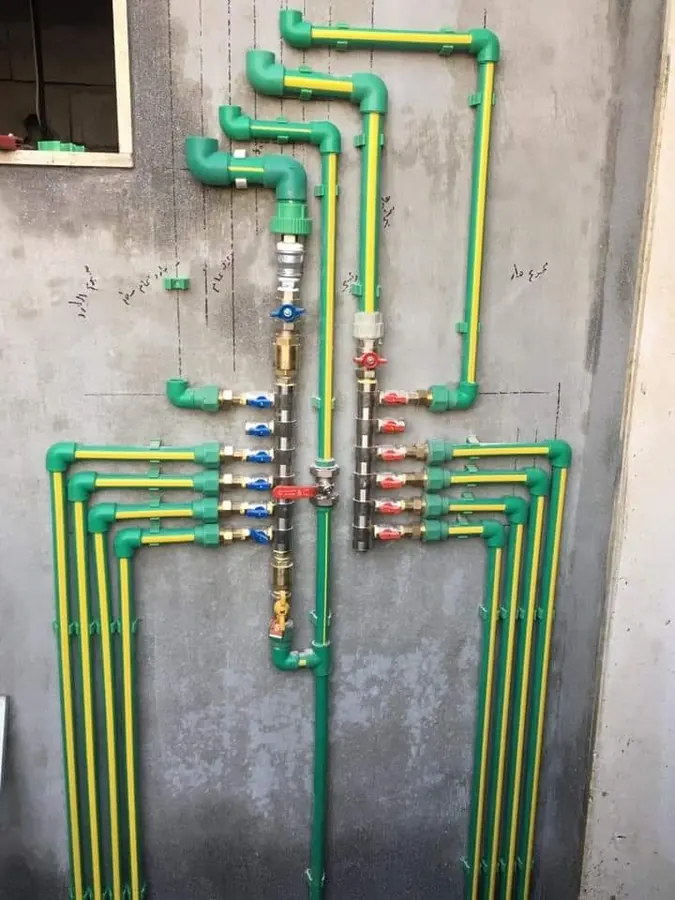
Illustration for rainwater harvesting plumbing & filtration services
Plumbing services in Cape Town
Request a service visit

Enquire about Rainwater Harvesting Plumbing & Filtration

Include the property suburb, the issue or planned work and the best way to reach you.

By submitting, you agree to be contacted regarding this enquiry. No payment is collected.
Plumbing / Cape Town

How we approach rainwater harvesting plumbing & filtration

01

Begin with the roof, not the tank

Rainwater harvesting is a system, not simply a plastic tank beside a building. Available roof area, gutter condition, rainfall seasonality, overflow routing and the intended use of collected water all influence the design. A gardener collecting water for hand watering has different requirements from a landlord who wants stored water delivered to multiple outdoor taps. We discuss where rain enters the system, how leaves and dirt will be separated and where surplus water will discharge without undermining foundations. Cape Town’s wet winters and dry summer demand make storage sizing a practical balance rather than a promise of year-round self-sufficiency.

02

Collection, screening and first-flush considerations

Leaves, dust and roof debris can enter runoff even where a roof looks clean. Suitable leaf screens, accessible strainers and first-flush diversion can reduce the amount of contamination entering a storage vessel. The exact arrangement depends on roof material, available falls and how the stored water will be used. A first-flush device requires maintenance, and a filter selected for an irrigation pump is not necessarily a drinking-water treatment system. We establish cleaning access and the need for testing before suggesting any domestic use. Collected roof water should not be represented as potable without appropriate treatment and verification.

03

Storage-to-use pipework and pump selection

A tank serving a hosepipe may operate by gravity in a favourable layout. Sprinklers, long pipe runs or elevated outlets often need a suitable booster pump, control arrangement and correctly sized lines. We consider dry-run protection, isolation points, overflow capacity, secure lids, overflow discharge and an accessible maintenance route. An uncontrolled link between municipal drinking-water pipework and collected rainwater is a serious cross-connection concern. The arrangement must preserve appropriate separation, and any lawful top-up method needs deliberate design rather than an improvised bypass valve.

04

Cape Town property decisions and handover

A townhouse courtyard, an established suburban garden and a commercial property present different roof catchments and access restrictions. Where a sectional-title scheme is involved, permission may be needed for external tanks and alterations to shared downpipes. A useful handover covers which taps receive harvested water, how filters are cleaned, when the tank should be inspected and where to isolate the system. We quote on the actual catchment route, civil base, pipework and controls; no claim of a fixed water-bill saving is sensible before knowing the household’s use and rainfall pattern.

Recognise the situation

Common enquiries and what changes the job

Tank fills but irrigation has little pressure

The problem may be pump selection, undersized pipework, filters or controller settings. A bigger tank alone will not improve delivery pressure.

Overflow floods a paving edge

An overflow that discharges against a foundation can create a drainage problem. We review the discharge path, not only the tank inlet.

Owner wants the tank to feed indoor toilets

Indoor distribution adds backflow protection, labelling, treatment and regulatory considerations. It must be scoped differently from garden watering.

Before booking

Information that helps define the work

Send photos of the roof gutters, the intended tank location, nearby power and the outlets you want supplied. Note whether the system must operate without a pump.

Tell us whether this is a private home or shared property, and whether the request includes base construction, filtration, electrical controls or only the plumbing connections.

Quotation scope

What affects the cost and work programme?

Cape Town guidance

Local requirements to consider

Rainwater intended for household non-drinking uses must remain safely separate from municipal drinking-water supplies. The City publishes installation and signage guidance for alternative water systems. City of Cape Town alternative water sources ↗

Frequently asked questions

Rainwater Harvesting Plumbing & Filtration: customer questions

Can collected rainwater be connected straight to the house taps?

Not as an uncontrolled crossover. Different end uses need suitable treatment, labelling and safe separation from the municipal drinking-water supply.

Does a larger tank guarantee enough summer water?

No. Storage must be considered with roof catchment, rainfall and the rate at which you use water.

Can an existing tank be upgraded?

Often the pipework, pump or filtration arrangement can be reviewed, but its condition and intended use need checking first.

☎WhatsApp