
Cape Town metro · Standard working hoursinfo@katawaprojects.co.za
Katawa Projects
KATAWA PROJECTS / CAPE TOWN

Water Tank Float Valve & Overflow Repairs Cape Town

An overflowing tank, unreliable automatic top-up or constant trickle from the overflow needs more than a replacement float chosen by appearance. We investigate water source, valve operation, overflow route and pump controls before recommending a repair.

✓ Cape Town metropolitan coverage✓ Registered plumbing and electrical capacity✓ Work by arrangement
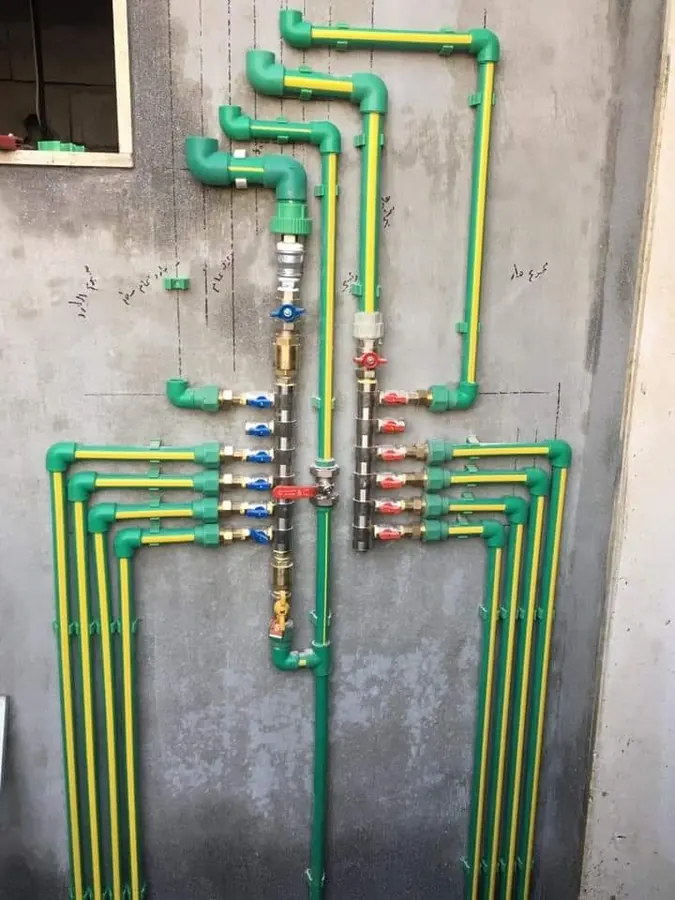
Water pipes and plumbing fittings
Plumbing in Cape Town
Request a service visit

Enquire about Water Tank Float Valve & Overflow Repairs

Include the property suburb, the issue or planned work and the best way to reach you. Send a photo of the tank inlet, valve or controller, plus whether the supply is municipal, borehole or rainwater.

By submitting, you agree to be contacted regarding this enquiry. No payment is collected.
Plumbing / Cape Town

Site assessment and work planning

01

Identify why the tank will not stop filling

A tank can overflow because a mechanical float valve is worn, misaligned or blocked with grit; a solenoid can remain energised; or a controller may incorrectly read the water level. Sometimes the apparent overflow is water returning from another circuit. We distinguish a municipal make-up feed from a rainwater or borehole system and check how the installation should behave when power is lost. That distinction matters because the correct repair might involve a valve, sensor, pipe route or electrical control rather than the entire tank.

02

Match the replacement to pressure and available space

Float valves have different pressure ratings, thread sizes, materials and mounting positions. A valve that works on a low-pressure gravity feed may be unsuitable on a pressurised mains connection. We assess the inlet pipe, service isolation, available clearance, tank wall condition and access for later adjustments. The float must travel freely without striking the tank cover or pipework. Where electrical level controls are involved, qualified electrical assessment is arranged rather than assuming a plumbing fitting alone will solve the problem.

03

Make the overflow safe and visible

Overflow pipes should discharge to an appropriate location without sending water back toward a building foundation, into electrical equipment or across an unsafe walking route. Blocking an overflow is not an acceptable way to stop water loss. We review pipe size, outlet security, insect protection and whether the discharge point gives the owner a visible early warning. A roof or elevated tank also calls for access planning and consideration of the weight and support of the full container.

04

Test shut-off over a full fill cycle

A quick dry adjustment is not enough if the fault appears only after the tank fills. The level should rise until the inlet closes, and the overflow should remain clear for emergency discharge. We check unions and fittings for leaks, confirm that any pump does not short-cycle, and explain how the owner can recognise abnormal refilling. If the tank supplies toilets or irrigation, we also consider whether an unintended cross-connection or backflow risk needs separate attention.

Typical enquiries

When this work may be needed

01

Water running continuously from a garden tank overflow even when nobody is drawing water.

02

A tank refills every few minutes and the connected pressure pump starts unexpectedly.

03

A replacement float arm catches against the lid of a narrow rooftop tank.

Before your appointment

Information that helps us prepare

Send a photo of the tank inlet, valve or controller, plus whether the supply is municipal, borehole or rainwater.

Tell us whether the overflow is continuous or occurs only when pumps run or electricity returns.

Quotation scope

What affects the cost and work programme?

Frequently asked questions

Water Tank Float Valve & Overflow Repairs: frequently asked questions

Can you just bend the float arm to stop the leak?

An adjustment can sometimes restore the cut-off level, but bending a damaged float or forcing the mechanism may cause repeated leaks. The valve and its mounting need checking first.

Is it safe to cap the overflow pipe?

No. The overflow is an essential escape route if the filling mechanism fails. We investigate the inlet fault instead of eliminating that safeguard.

Does this involve an electrician?

A simple mechanical valve might not. Electrically controlled filling, sensors or pump interlocks can require qualified electrical testing as well as plumbing work.

☎WhatsApp